
Addiction can make you feel like a case number instead of a person. Endless calls, confusing insurance jargon, and nobody who really sees what you’re going through.
We built New Jersey Addiction Resources to change that.
We connect Tri-State residents with real paths to addiction recovery, matched to their story rather than a script — because finding the right help shouldn’t feel like another fight.

Who We Are
Think of New Jersey Addiction Resources as a guide.
We help residents across the Tri-State area find real, vetted options for substance abuse treatment, whether that’s drug and alcohol detox, residential treatment centers, outpatient rehab, or sober living homes.
No two people struggling with substance use disorder need the same thing, so we don’t hand out the same answer twice.
As such, our team is that person who’s already done the research, made the calls, and asked the hard questions, so you don’t have to do it alone.
Here’s what that looks like in practice:
- A team that listens first and refers second
- Honest guidance, not a sales pitch
- Connections to licensed detox, residential, and outpatient programs
- Support finding care that fits your budget, insurance, and schedule
- A resource built for real recovery instead of quick fixes
Why Choose Us
Addiction doesn’t wait for the perfect moment, and neither should you.
For starters, fentanyl has changed the landscape of substance use disorder in New Jersey. Additionally, opioid use disorder, alcohol use disorder, and co-occurring mental illness often show up together.
That means your treatment plan has to account for all of it, not just the surface issue.
We take the time to understand what’s actually going on before pointing you toward a program. A referral that ignores your mental health, your history, or your living situation isn’t helpful.
Fortunately, our connections span licensed addiction treatment centers that treat the full picture: the substance use, the depression or anxiety underneath it, and the life you’re trying to rebuild.
In short, you bring what’s troubling you or your loved one, and we bring the network and the follow-through to match it.
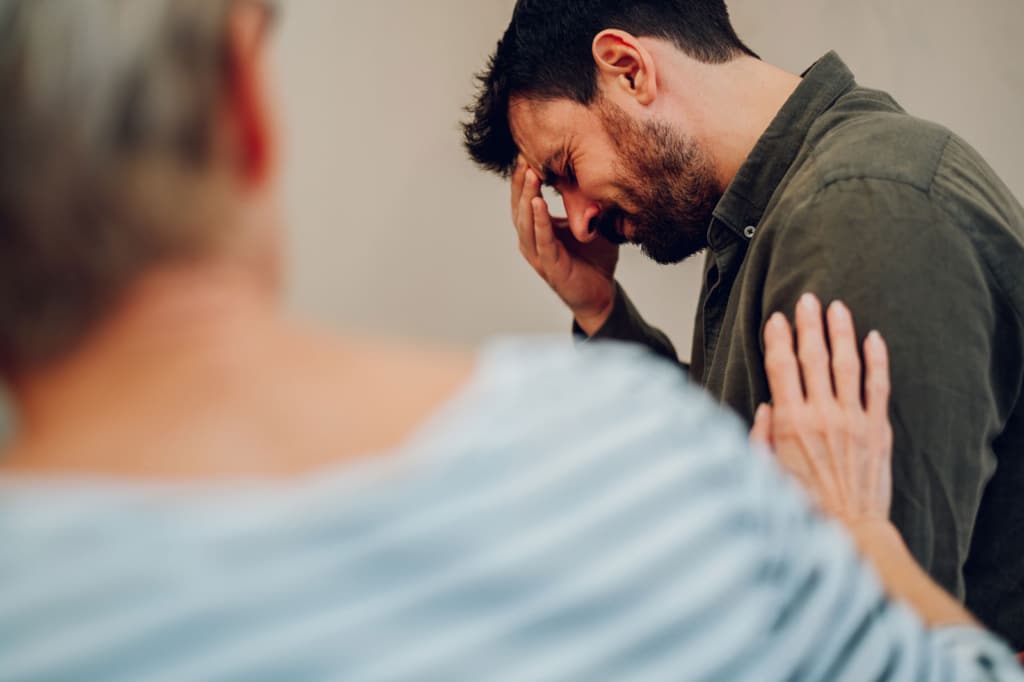
How We Help You Find the Right Care
Every call starts with a conversation instead of a quick form to fill out.
In that conversation, we ask about your substance use, your mental health, your living situation, and what’s realistic for your life right now.
From there, we match you with programs built to meet your needs, not a generic list of nearby facilities.
What our process includes is this:
- A real conversation to understand your situation
- Case management support to coordinate between programs, insurance, and providers
- Referrals to individualized care plans that adapt as you progress
- Guidance on dual diagnosis treatment if a co-occurring disorder is part of the picture
- Direct connections to admissions teams, so you’re not stuck waiting on hold
- Ongoing check-ins to make sure the placement is actually working for you
We stay involved after the referral, too. If something isn’t the right fit, we help you find what is.

Levels of Care We Connect You To
Recovery isn’t a single program. It’s a sequence of steps, and the right starting point depends on where you are right now.
From the programs below, we help you figure out which of the following fits your life today, and we stay in your corner as those needs change.
Medical Detox
For many, the first step is safely managing withdrawal symptoms under medical supervision.
Detox programs monitor vitals, ease discomfort, and keep you stable during the hardest part of early sobriety.
For those at risk of opioid overdose, some programs also provide naloxone and education on how to use it.
Residential Care
Residential treatment centers offer a structured environment away from daily triggers. Clients live on-site, attend therapy throughout the day, and build a foundation for long-term recovery without the distractions of home, work, or old routines.
Partial Hospitalization Program (PHP)
A PHP offers intensive, structured treatment during the day while allowing clients to return home or to sober living at night. It’s a strong option for those who need significant support but don’t require 24-hour residential care.
Intensive Outpatient Program (IOP)
An IOP scales things back further, offering several hours of treatment a few days a week. It works well for clients balancing recovery with work, school, or family responsibilities.
Medication-Assisted Treatment (MAT)
For opioid use disorder and alcohol use disorder, MAT combines FDA-approved medications with therapy to reduce cravings and withdrawal symptoms. It gives clients the stability to focus on the deeper work of recovery.
Sober Living and Transitional Living
Sober living homes and transitional living programs offer a supportive, substance-free environment for clients moving from treatment back into independent life. It’s often paired with recovery coaches and recovery support services.

Treating the Whole Person: Dual Diagnosis and Mental Health
Substance use and mental illness rarely show up alone.
Nationally, an estimated 17 million adults live with a dual diagnosis of a substance use disorder and a co-occurring mental health condition, and in New Jersey, close to a quarter of adults treated for mental illness also carry a substance use diagnosis.
Why Dual Diagnosis Care Matters
When depression, anxiety, or another mental illness goes untreated alongside addiction, recovery tends to stall.
Treating one without the other leaves the door open for relapse. That’s why we only connect you with programs designed to address both conditions.
What Integrated Care Looks Like
The right program combines medication management with therapy tailored to your mental health needs, so cravings and underlying symptoms get treated side by side. It’s a more demanding standard of care, and it’s the one we hold every referral to.

Therapies That Support Long-Term Recovery
Detox helps heal how addiction affects you physically. Therapy handles the mental side of addiction. The most common therapies used include:
Cognitive Behavioral Therapy (CBT)
Here’s the thing about addiction: it rewires how you think, not just how you feel.
CBT helps clients identify the thought patterns that fuel substance use and replace them with coping skills that actually hold up under pressure. It’s one of the most researched approaches in addiction treatment, and for good reason.
Dialectical Behavior Therapy (DBT)
For clients managing intense emotions, trauma, or a co-occurring disorder, DBT teaches distress tolerance and emotional regulation alongside relapse prevention skills.
Think of it as CBT’s more emotionally focused counterpart, built for clients who need extra tools to sit with discomfort without turning back to substance use.
Group Therapy
Addiction thrives in isolation. Group therapy breaks that cycle by putting clients in a room with people who genuinely understand their struggles. There’s something therapeutic about hearing your own struggle reflected by someone else, and realizing you’re not carrying it alone.
Family and Couples Therapy
Addiction doesn’t only affect the person using. It reshapes entire households.
Family therapy rebuilds trust and communication, while couples therapy addresses the specific strain substance use puts on a relationship. Both help loved ones support recovery without slipping into old patterns of enabling.
Individual Therapy
One-on-one sessions give clients space to work through what’s underneath the addiction, whether that’s depression, past trauma, or years of unprocessed stress. It’s where treatment gets personal.
Telehealth
For clients balancing recovery with work, childcare, or transportation limits, telehealth keeps therapy accessible. Consistency matters more than location, and virtual sessions make it easier to stay engaged.
12-Step and Peer Support
For many, 12-step programs offer structure and community that extends outside of formal treatment. Paired with the therapies above, they round out a recovery plan built for the long haul, not just the first 90 days.

Paying for Treatment: Insurance and Medicaid
Cost shouldn’t be the reason someone puts off getting help. Most licensed programs accept insurance coverage, and many plans are legally required to cover substance abuse treatment the same way they’d cover any other medical condition.
Medicaid is also accepted at many facilities across the state. Here’s what we can help you sort through:
- Verifying what your insurance actually covers before you commit to a program
- Finding Medicaid-accepted facilities near you
- Connecting you with ReachNJ for state-funded treatment resources
- Pointing you to the Substance Abuse and Mental Health Services Administration (SAMHSA) helpline for immediate guidance
Remember: You don’t need to have it all figured out. We’ll help you work through the details.
Final Thoughts
Recovery isn’t linear, and it isn’t a journey you have to figure out alone. Whether you’re just starting to look into recovery programs or searching for the next right step, New Jersey Addiction Resources is here to connect you with care built for long-term recovery.
You don’t have to know what exact program you need. You just have to be ready to talk. From there, we’ll help you sort out what fits your situation, your budget, and your life, one honest conversation at a time.
Reach out to our team today. Your recovery journey starts with one call, and we’re ready to be right there with you.