
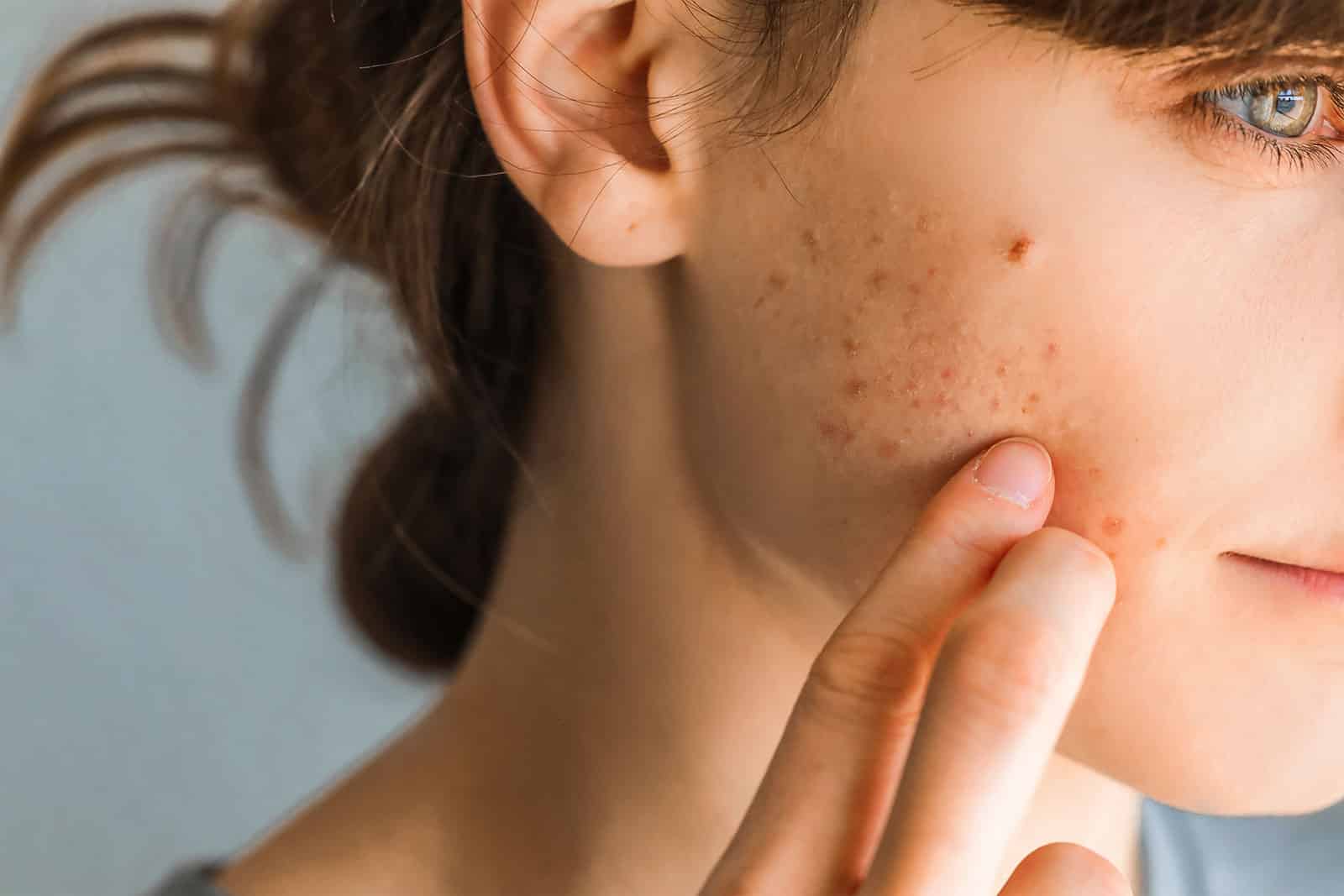
Noticing unexplained acne on your face can be alarming, especially if you’re using meth and are starting to see changes you never expected.
That said, meth acne is more than just a cosmetic issue. It’s a sign that meth abuse is taking its toll on your body.
What causes meth acne, and how do you treat it? Learn everything you should know about meth sores here.
Table of Contents
What Is Meth Acne?
Meth acne, or meth sores, is one of the side effects of meth use.
Meth acne can look different from person to person. However, in general, it can look like an acne breakout. You may have small red bumps, pimples, open wounds, lesions, and scabs on your face, arms, chest, and legs.
Moreover, the meth sores can leave scars behind, resulting in discolored patches on your skin.
Meth acne typically happens because meth users scratch their skin. Repeated skin picking then develops into open sores.
What Are the Causes of Meth Acne?
Not many know this, but using methamphetamine can cause intense itchiness. Those using meth often pick at their skin to relieve the itchiness.
Meth acne can happen because of a combination of the following.
1. Meth Mites
Meth mites are a term used for imaginary bugs that people using meth experience. It’s a tactile hallucination, or formication, where the user thinks insects are crawling all over their body.
Taking crystal meth causes psychosis. The symptoms are so intense that the user may scratch their body intensely.
Over time, the scratching creates skin sores, which may become infected.
2. Decreased Skin Barrier Function
Studies show that methamphetamine use damages your skin barrier.
It delays wound healing and causes infections to spread through the blood flow. This results in scarring all over a user’s body.
3. Poor Personal Hygiene
Poor hygiene is another contributing factor to meth sores. Since meth use weakens your immune system, your skin may become easily infected.
As a result, scratching from meth use leads to an acne-like appearance.
How Long Does Meth Acne Last?
How long meth acne lasts varies from person to person.
The progression of meth acne increases the more you use methamphetamine. Abscesses can appear as long as you use meth, and healing can be a slow process due to the damaged skin barrier.
Psychosis due to meth may also happen even months after your last drug use. Therefore, someone can have meth sores until the sensation of meth mites goes away.
What Are Other Signs of Meth Addiction?
Face sores aren’t the only physical signs of a meth addiction. Those struggling with chronic meth use may also have the following.
- Meth Mouth: Meth is a corrosive substance that damages your mouth. Using it can lead to tooth decay and gum disease.
- Weight Loss: Meth causes weight loss. It can appear as sunken eyes, hollow cheeks, and wrinkles.
- Dark Circles: Having dark circles under their eyes is common among methamphetamine users.
If you or a loved one has the above health issues, it’s crucial to seek help for meth addiction immediately.
How Is Meth Acne Treated?
Unfortunately, there’s no specific treatment for meth acne aside from basic wound care. Here are some tips you can follow.
- Treat the Wound: You can treat the open meth sores with an iodine solution or antimicrobial cream. Covering it with bandages can help prevent you from scratching the wounds.
- Maintain Cleanliness: It’s vital to keep the wound clean and dry to prevent an infection. You should also seek help from a doctor if the wound seems infected.
- Improve Your Sleep: Sleep allows the body to regenerate more quickly. Skin naturally improves when you get good sleep every night.
- Use Gentle Products: Only use mild, fragrance-free products to avoid further irritation. You can ask a doctor about soothing gels or hydrating lotions that may help.
- Avoid Scratching: Never scratch or scrub the affected area, as this can reopen the wounds.
- Eat Healthy Food: Eat foods rich in collagen and other nutrients that support skin health. Fatty fish, nuts, tomatoes, and green tea are all great options for healthy skin.
- Address the Addiction: The best thing you can do to treat meth sores is to address the substance abuse. Through therapy, you can manage the anxiety, hallucinations, and the urge to pick at your skin.
What Signs Show You’re Recovering From Meth Acne?
Recovering from meth sores is a long process that can take several months. Yet, noticing signs of recovery can be motivating for a patient.
These are indicators that your body is healing from meth acne.
- Less Itching: First, you’ll stop experiencing meth mites. Once the itchiness goes down, you can better control your urge to scratch.
- Fewer Bumps: New pimples and meth sores will stop appearing, although old wounds may still take some time to heal.
- A Decrease in Swelling: Your skin can still feel sensitive, but it will no longer look red and angry.
- Your Skin Texture Improves: Wounds close and scabs go away. You may notice smoother pink forming skin.
- Scars Start to Fade: Over time, even dark spots and scars will fade. Your skin will look better overall.

Meth Addiction Treatment at NJ Addiction Resources
Seeking treatment for a meth addiction is one of the most powerful things you can do. Not only will it heal your meth sores, it’ll also change your life for the better!
In this section, we’ll explain what recovering at NJ Addiction Resources looks like.
1. Assessment
First, our healthcare professionals will carefully assess your medical history and background.
Expect questions about your age, mental health, vocational difficulties, and relationships. Using this information, we tailor the most effective treatment plan for you.
2. Detoxification
Next, we remove meth from your system using evidence-based techniques.
One of the challenges of detoxification is the meth withdrawal. Although not usually life-threatening, meth withdrawal can still cause sleep deprivation, depression, and anxiety.
NJ Addiction Resources can ease your symptoms and monitor your health throughout the detox process. We may also explore medication-assisted treatment to lessen cravings through prescription medication.
3. Treatment
Treatment for meth addiction depends on your personal circumstances. Below are just some of the treatment options at NJ Addiction Resources.
- Inpatient Treatment: In inpatient treatment, you receive 24-hour care from healthcare providers. It’s suitable for those with severe addictions or psychiatric conditions.
- Outpatient Programs: Outpatient treatment is a flexible option that allows you to return home after sessions. This option is perfect for those who have commitments to work or school.
- Partial Hospitalization: Partial hospitalization is somewhere in between inpatient and outpatient care. It’s a more intense program that doesn’t require you to live full-time at the treatment center.
- Intensive Outpatient Program: IOP is a type of treatment that provides a high level of care. Yet, it also gives you as much flexibility as the regular outpatient programs.
4. Therapy
Therapy identifies the root cause of the addiction and addresses your mental health. It allows you to work through your emotions under a specialist’s guidance.
Some of the therapies available at our treatment center include the following.
- Cognitive Behavioral Therapy: Cognitive behavioral therapy helps you identify negative thoughts and change the way you think. It aims to improve your behavioral health.
- Group Therapy: Group therapy gives you a safe, judgment-free space to discuss your thoughts. You can share your experiences and learn from others who are going through the same challenges.
- Holistic Therapies: Holistic therapies are evidence-based treatments that improve your mental health. They include yoga, acupuncture, meditation, and music therapy.
- Dual Diagnosis: Recovering from meth addiction can be difficult if you’re also struggling with your mental health. Dual diagnosis treatment addresses mental health conditions and addiction simultaneously.
5. Aftercare
Recovering from a drug addiction is a lifelong process. Aftercare is an essential tool that prevents you from relapsing after you graduate from the treatment programs.
At NJ Addiction Resources, you can receive help with the following.
- Sober Living Homes: A sober living home is a place where you can stay clean outside of the facility. It’s a community with structure and accountability to prevent substance use.
- Transitional Living: Transitional living homes are residential houses that give you the time you need to adjust to the real world. They are safe spaces free from stressors and triggers.
- Recovery Coaches: Recovery coaches are trained individuals who have experienced addiction and recovery. They are people who can accompany you to sessions or simply hang out with you whenever you need.
Conclusion
Meth acne can be one of the most painful signs of a meth addiction. Yet, recovering from it can be incredibly motivating for an individual.
Understanding the causes and treatment for meth acne is one of the first steps you can take toward recovery. However, you may need further assistance to completely stop the addiction.
If you or a loved one is suffering from meth sores, know that treatment is possible. Meth sores can heal with medical care, therapy, addiction treatment, and lifestyle changes.
Reach out to NJ Addiction Resources to start your healing journey today!