
According to the National Institute on Alcohol Abuse and Alcoholism (NIAAA), roughly 10.2% of people ages 12 and older are living with alcohol use disorder. The Centers for Disease Control and Prevention (CDC) attributes about 178,000 deaths each year to excessive alcohol use.
The sad reality is that drinking alcohol isn’t all fun and games. Once you become addicted, it can take a toll on your well-being.
It’s difficult to stop drinking, and you can experience life-threatening withdrawal symptoms. That said, giving up alcohol is one of the most powerful decisions you can make. You can turn your life around no matter how long it’s been.
In this article, we walk you through what happens when you stop drinking alcohol, from the first few hours through a full year of recovery. Plus, read on for our guide on alcohol addiction treatment.
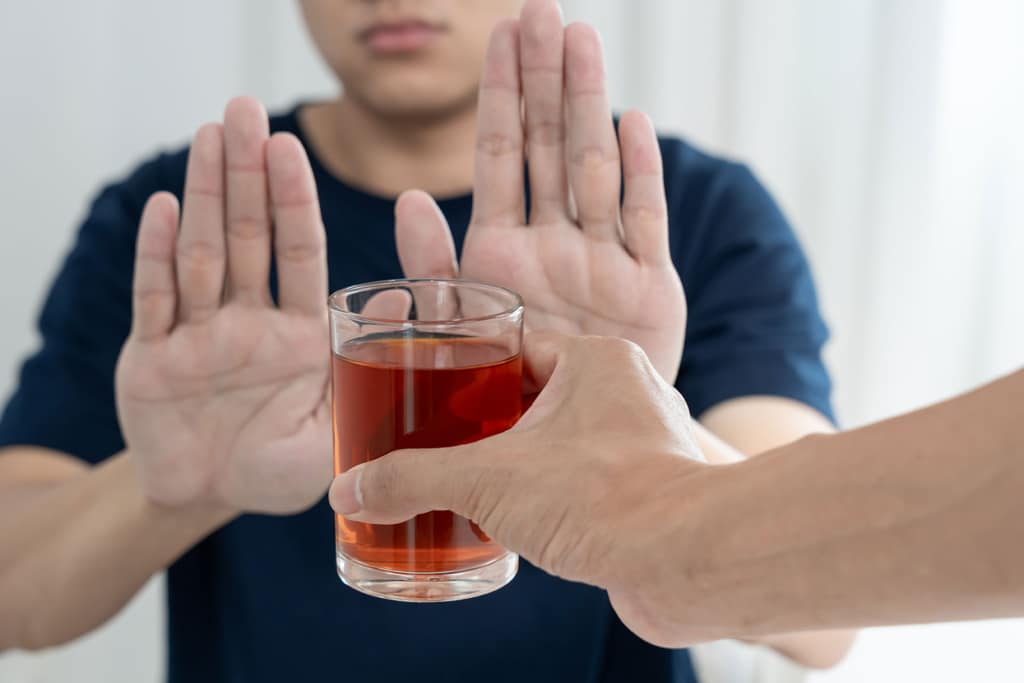
Why Alcohol Is So Hard to Quit
Quitting alcohol takes more than just willpower. If you’re a heavy drinker, alcohol changes how your brain works. It interferes with your brain’s communication pathways and alters the balance of key neurotransmitters, including GABA, dopamine, and serotonin. Over time, you develop alcohol dependence.
Alcohol use disorder happens when drinking changes your brain structure and function. You’ll experience differences in your thinking and feeling, and it becomes difficult to control your intake. Your body starts to rely on alcohol just to function.
Not only that, heavy drinking can hold a psychological grip, especially if you’re facing troubles in life. People may use it to escape stress, trauma, and loneliness.
Just know that if you’ve tried to quit before but couldn’t, that doesn’t mean you’re weak. You’re dealing with a powerful chemical reaction that usually requires professional help to overcome.
The good news is that recovery is possible once you stop drinking alcohol.
Alcohol’s Damage to Your Body
For those with alcohol use disorder, drinking causes damage to nearly every part of the body. It can even add to your risk of several types of cancer. These are just some of the effects of alcohol.
Endocrine System: Alcohol can disrupt your hormones, contributing to thyroid problems and reproductive dysfunction. It can also raise your risk of type 2 diabetes through increased body weight and decreased insulin sensitivity.
Gastrointestinal System: Alcohol can damage the lining of your GI tract and cause gastroesophageal reflux (acid reflux). It disrupts your gut microbiome, which adds to your risk for colorectal cancer.
Heart and Circulatory System: Alcohol contributes to cardiovascular disease. Heavy drinking leads to high blood pressure, irregular heartbeats, anemia, and heart attack.
Immune System: Alcohol consumption weakens your immune system. It lowers your body’s defenses against infection and can accelerate certain diseases.
Liver: Fatty liver disease and other liver conditions are common among those with alcohol addiction. Alcoholic hepatitis, fibrosis, cirrhosis, and steatosis can all develop, and prolonged damage raises the risk of liver cancer.
Mental Health: Alcohol can worsen depression, anxiety, and other mood disorders. It can make managing your emotions difficult and strain your relationships.
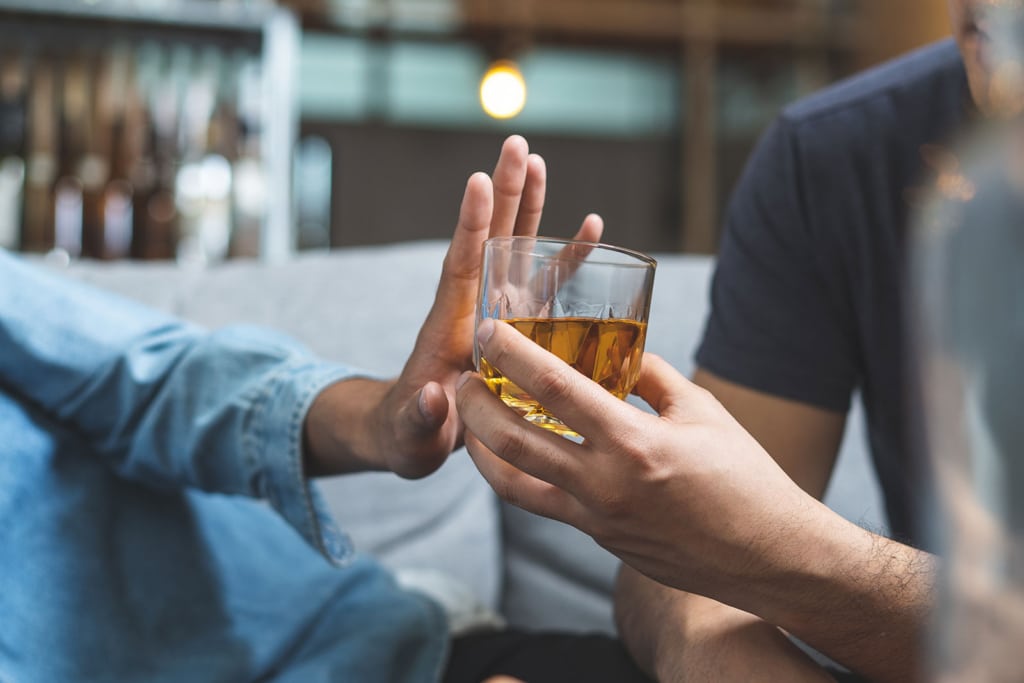
What Happens When You Quit Drinking Alcohol?
What happens after you quit varies depending on the severity of the addiction. For someone with alcohol use disorder, here’s a general timeline.
Important: Alcohol withdrawal can be dangerous and, in severe cases, fatal. If you are a heavy or long-term drinker, do not attempt to detox alone. Talk to a medical professional or a treatment center before you stop, so your withdrawal can be properly supervised.
1. A Few Hours After Your Last Drink
Mild withdrawal symptoms may start 6 to 12 hours after your last drink. You may experience insomnia, headache, anxiety, and slight feelings of panic.
2. One Day After Your Last Drink
More pronounced withdrawal symptoms can appear within 24 hours of your last drink. This is when intense cravings begin, and some people experience hallucinations.
3. Two to Three Days After Your Last Drink
The peak of withdrawal typically happens around the third day after your last drink.
In the most serious cases, delirium tremens (DTs) can occur within 48 to 72 hours. This is a life-threatening withdrawal complication that requires immediate medical care. Symptoms can include tremors, confusion, agitation, and psychosis, and some people have seizures. The body can overheat, causing intense sweating and a racing heart rate. This is exactly why medically supervised detox matters.
4. One Week After Your Last Drink
The acute physical withdrawal symptoms usually die down after four to seven days. However, your nervous system is still recalibrating, and cravings can feel stronger than ever.
This is also when sleep can get complicated, which we cover in detail below. Treatment centers can offer medication to keep cravings under control during this fragile stretch.
5. Two Weeks After Your Last Drink
Positive changes start to show within two weeks of an alcohol-free life. Your GI tract begins to heal. You feel less bloated, and heartburn and acid reflux episodes lessen. Your bowel movements become more regular, your sleep continues to improve, and your skin starts to look more hydrated as your body recovers from chronic dehydration.
6. Two Months After Your Last Drink
After about two months, your liver function improves and early fatty liver changes can begin to reverse. Your mood and mental clarity get better, and the brain fog lifts as your neurotransmitters rebalance, making it easier to concentrate.
On top of this, your blood sugar stabilizes and your risk of heart disease starts to fall as blood pressure improves.
7. Six Months After Your Last Drink
After half a year, your body has mostly returned to a healthier baseline. You can finally start to feel normal again, although cravings can still surface from time to time.
Your mental health continues to stabilize, and many people notice the financial upside of not drinking. With that breathing room, you can focus on rebuilding trust with loved ones and investing in your own well-being.
8. One Year and Beyond
After a year of sobriety, many people feel strong enough to take on bigger goals, like returning to school or advancing at work. Reaching your one-year chip is a major milestone. Your life can change for the better, and you may even find yourself helping others who are struggling with alcoholism.

How Your Sleep and Energy Change After You Quit
Sleep is one of the most noticeable areas of change when you stop drinking, and it doesn’t always improve in a straight line.
Many people drink because alcohol makes them feel drowsy, but it actually wrecks sleep quality. Alcohol suppresses REM sleep, the restorative stage tied to memory and mood, and it fragments your sleep cycle so you wake more often through the night. That’s why you can spend eight hours in bed after drinking and still wake up unrested.
The first week can be rough. As your body adjusts, you may experience a rebound effect: insomnia, vivid dreams, and interrupted sleep as your brain compensates for the missing alcohol. This is temporary and a normal part of your nervous system rebalancing.
Then it turns around. Within a few weeks, most people see their sleep patterns and REM cycles normalize. You fall asleep more naturally and stay asleep longer. As deep, restorative rest returns, daytime fatigue fades and energy climbs. People consistently report feeling more alert, rested, and refreshed, often for the first time in years.
If insomnia is severe or lasts beyond the first couple of weeks, a treatment professional can help, since persistent sleep problems are a common relapse trigger.
Changes in Your Weight and Nutrition
Alcohol is full of empty calories with little nutritional value, and heavy drinking often goes hand in hand with junk food and poor eating. Cutting it out can lead to meaningful changes.
Many people lose weight after quitting, particularly belly fat and visceral fat, the deeper fat linked to disease risk. As your digestive tract and gut microbiome recover, your body absorbs nutrients more efficiently, and your endocrine and hormone systems begin to rebalance.
To support this, aim to replace alcohol with whole foods rather than sugary substitutes. A dietitian or nutritionist can help you rebuild healthy eating habits, especially if long-term drinking has left you with nutritional deficiencies.
How Quitting Lowers Your Disease Risk
One of the most powerful reasons to quit is long-term risk reduction. As your body heals, your risk of several serious conditions drops:
- Liver disease: Early fatty liver disease can reverse, and stopping alcohol slows or halts the progression toward fibrosis and cirrhosis, while lowering your long-term risk of liver cancer.
- Cardiovascular disease: Blood pressure tends to fall, easing strain on your heart and reducing heart disease risk.
- Cancer: Alcohol is linked to several cancers, so reducing intake lowers overall cancer risk over time.
- Type 2 diabetes: Better insulin sensitivity and weight loss reduce your diabetes risk.
- Immune function: Chronic inflammation decreases and your immune system strengthens, helping your body fight off infection.
The earlier you stop, especially before conditions like alcoholic hepatitis or cirrhosis become advanced, the more your body can recover.

Building New Habits and Routines in Recovery
Getting through detox is only the beginning. Lasting sobriety comes from building a new lifestyle that doesn’t revolve around alcohol. This is where many people in early recovery need the most support.
Create new rituals. Replace the daily drink with a new ritual that gives you something to look forward to: a mocktail with dinner, an evening walk, or a morning workout class. Filling the space alcohol used to occupy is key.
Find sober activities and projects. Pick up projects and activities that keep you engaged: a hobby, a fitness goal, a creative project. Idle time is a common trigger, so structure helps.
Build a sober community. Surround yourself with people who support your recovery. A support group, whether in person or online, connects you with others who understand the journey and helps you celebrate each milestone.
Develop healthy coping techniques. Drinking is often a way to cope with stress. Learning healthy coping techniques, like exercise, journaling, breathwork, or therapy, gives you better tools to handle hard days.
Distance yourself from triggers. Identify the unhealthy people and triggers tied to your drinking and create distance where you can. Protecting your environment is part of protecting your sobriety.
As these routines take hold, you’ll find it easier to stay on track and to focus on regaining the trust of your loved ones.
Tips for Helping a Loved One Struggling With Alcoholism
Watching a loved one struggle with substance use is difficult. However, with your support, they can get better. Here are some tips that can help.
Do Your Research: Learn about alcohol use disorder. Understand how addiction works and why quitting is so difficult.
Choose the Right Timing: Express your concern in a judgment-free way, ideally when they’re in a calm environment free from distractions.
Offer Your Support: Let them know you can help them take the first steps. Offer to take them to doctor’s appointments or support groups.
Be Patient: Setbacks are common, so be patient with your loved one.
Consult a Healthcare Professional: Healthcare professionals can walk you through how to help, offer guidance, and even facilitate an intervention.

What Does Alcohol Addiction Treatment Look Like?
If you’re struggling with alcoholism, the best way to overcome it is with help from medical professionals. Proper treatment and a safe environment can go a long way. Here’s what alcohol addiction treatment at NJ Addiction Resources looks like.
1. Initial Assessment
First, we assess your overall health and determine the extent of the addiction. Afterward, we tailor a program to your circumstances. During this alcohol addiction assessment, we present the best treatment options, which can include:
Inpatient Treatment: Inpatient treatment is for those with serious addictions. It costs more, but you get 24/7 monitoring for your safety.
Outpatient Treatment: Outpatient treatment is more flexible and affordable. It lets you continue with daily life around your sessions.
Intensive Outpatient: The intensive outpatient program offers a high level of care without requiring you to live at the center full-time.
2. Detox
The next step is detoxification, where your body clears the alcohol from its system. Detox can be the scariest part of recovery because it’s when withdrawal symptoms appear.
With NJ Addiction Resources, you don’t have to face it alone. We keep you safe and comfortable with medication-assisted treatment, using prescription medication to manage cravings and other symptoms. We ensure proper hydration through IV drips and provide nourishing meals to support your recovery.
3. Therapy Sessions
Therapy helps you address alcohol-related trauma and build better habits. These are just some of the therapies available at our facility.
Group Therapy: In group therapy, you join a support group where you can share your experiences in a judgment-free space and work through your emotions.
Individual Therapy: Individual therapy helps identify the source of the addiction and addresses the negative behaviors harming your life.
Telehealth: Telehealth is for those who can’t easily visit the center, giving you access to professionals even in rural areas.
4. Continuous Support and Aftercare
Finally, at NJ Addiction Resources, you receive support even after you leave the facility. We can help you find quality transitional homes and offer continuous care whenever you need it. You never have to feel alone again as you build a life in sobriety.
Conclusion
So, what happens when you quit drinking alcohol? The short answer is that your body begins to heal, and your life can truly change for the better.
It takes effort, but with professional help, you can succeed. You don’t have to go through this difficult time alone. Call our helpline today, and we’ll make sure you have everything you need to recover.