
For many people, alcohol is woven into everyday life. A dinner with friends, a birthday, a weekend barbecue: chances are a drink will be part of it. That social acceptance can make alcohol feel harmless, but the evidence points the other way. In 2025 the U.S. Surgeon General issued an advisory naming alcohol the third leading preventable cause of cancer in the country, behind only tobacco and obesity. Leading health agencies now agree there is no completely safe level of drinking, and that the risk rises with the amount you consume.
That does not mean every drinker is in trouble. It does mean that if you are taking an honest look at your relationship with alcohol, you deserve a clear picture of what cutting back or quitting can do for you. Below are the reasons worth weighing, grouped by how they touch your health, your mind, your relationships, your sleep, and your finances.
A safety note before you start. If you drink heavily or daily, do not stop suddenly on your own. Alcohol withdrawal can be genuinely dangerous, and in some cases life-threatening. See the section on quitting safely near the end of this article before you make any changes.
The Health Consequences
There Is No “Safe” Amount
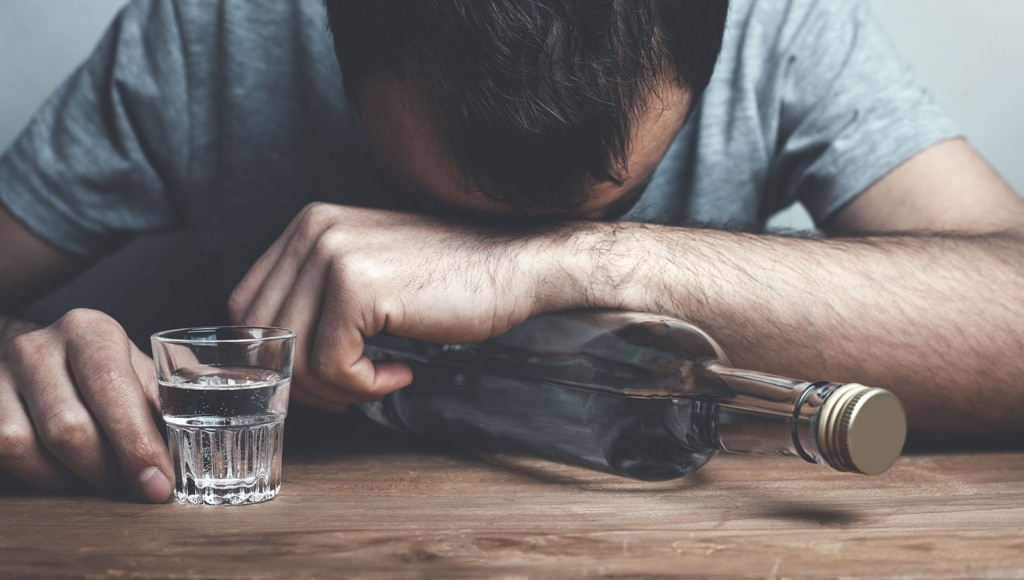
For years the conversation around alcohol focused on heavy drinking, with an unspoken assumption that moderate amounts were fine or even good for you. That picture has changed. Current guidance from the National Institute on Alcohol Abuse and Alcoholism notes health risks even at low levels of consumption, regardless of whether you drink beer, wine, or spirits. The less you drink, the lower your risk, and quitting removes that risk almost entirely.
Cancer Risk
This is the reason most people are least aware of. The 2025 Surgeon General’s advisory linked alcohol to at least seven types of cancer, including cancers of the mouth, throat, voice box, esophagus, liver, colon and rectum, and breast in women. Alcohol contributes to roughly 100,000 cancer cases and about 20,000 cancer deaths in the United States every year. The risk is dose-dependent, which means every drink you remove lowers it.
Your Organs and Immune System
Alcohol touches nearly every system in the body. Over time it can damage the liver, raise blood pressure, strain the heart, and increase the risk of stroke and certain digestive conditions such as pancreatitis. It interferes with how the body absorbs nutrients and dehydrates you, which is part of why heavy drinking shows up on your skin as premature aging and dullness. It also suppresses the immune system, leaving you more vulnerable to illness. When you stop, many of these systems begin to recover, and some of the damage to organs like the liver can partially reverse depending on the stage.
Alcohol-Related Injuries
Lowered coordination and judgment lead to accidents. Drunk driving is the obvious danger, putting your own life and everyone else’s on the road at risk, but it is far from the only one. Falls, burns, and other injuries are far more common after drinking, and even cautious people are not spared: a missed patch of ice or an awkward step on the dance floor lands differently when your balance and vision are off.
Sleep Quality
Many people drink in the evening believing it helps them sleep. It is true that alcohol can help you fall asleep faster, and that is exactly why the myth persists. But the sleep you get is worse, not better.
Alcohol consistently delays and reduces REM sleep, the restorative stage tied to memory and emotional processing. Research shows REM disruption begins at roughly two standard drinks and gets worse as the amount climbs. As your body metabolizes the alcohol through the night, sleep becomes lighter and more fragmented, with more frequent waking in the second half of the night. It can also relax the muscles of the throat, worsening snoring and sleep apnea.
The result is that you spend hours in bed but wake unrested, foggy, and reaching for caffeine. People who stop drinking very often report that better, deeper sleep is one of the first changes they notice, sometimes within days.
Cognitive Function and Memory
Alcohol interferes with the brain’s communication pathways, which is why it changes mood and behavior and makes it harder to think clearly and stay coordinated in the moment. Over the longer term, heavy drinking is associated with memory problems and a higher risk of cognitive decline.
When you stop, the benefits tend to be the mirror image: a clearer head, sharper memory recall, steadier focus, and better decision-making. Combined with the improved sleep above, many people describe a noticeable lift in mental clarity and creative energy within the first few sober weeks.
Mental and Emotional Well-Being
Alcohol is a depressant, and its relationship with mental health runs in both directions. People often drink to take the edge off anxiety, but alcohol-induced anxiety, sometimes called “hangxiety,” frequently leaves them feeling worse the next day than before they drank. Using alcohol to self-treat anxiety or low mood tends to deepen the very problems it promises to relieve.
There is also the matter of confidence. Some people lean on alcohol to handle shyness or social situations. A drink to loosen up is not, by itself, a problem. It becomes one when you realize you cannot function socially without it. Getting sober can feel uncomfortable at first, but it gives you the chance to build genuine social skills and steadier self-assurance that do not depend on a glass in your hand.
For those who have come to rely on alcohol to regulate their moods, that reliance is itself a warning sign. If you feel unable to be yourself while sober, a psychological dependence may already be forming alongside any physical one.
Social and Relationship Impact

A Worse Version of Yourself
Some people barely change when they drink. Others become someone they would not recognize sober: angrier, more reckless, meaner, or sadder. If alcohol regularly turns you into a person you do not want to be, that alone is a reason to reconsider it.
Mistakes and Regrets
For anyone who tends to lose control while drinking, the odds of a serious, lasting mistake go up. Saying something cruel, betraying a partner’s trust, blurting out something hurtful to someone you love: these are the kinds of regrets that surface the morning after. If you often wake up wishing you could undo the night before, that pattern is worth taking seriously.
Hangovers and the People Around You
A hangover is not only a private misery. It has social costs. Missed events, lost weekends, irritability aimed at the people closest to you, and days when you simply are not present for your partner or your children. The occasional hangover is part of drinking for many people. Frequent ones that strain your relationships are a different signal.
Stronger Connections
On the other side of all this, people who cut alcohol out often find their relationships improve: fewer arguments, less tension, clearer communication, and more genuine quality time. Removing the substance that fueled the conflict tends to make room for the connection underneath it.
Sense of Control and Self-Esteem
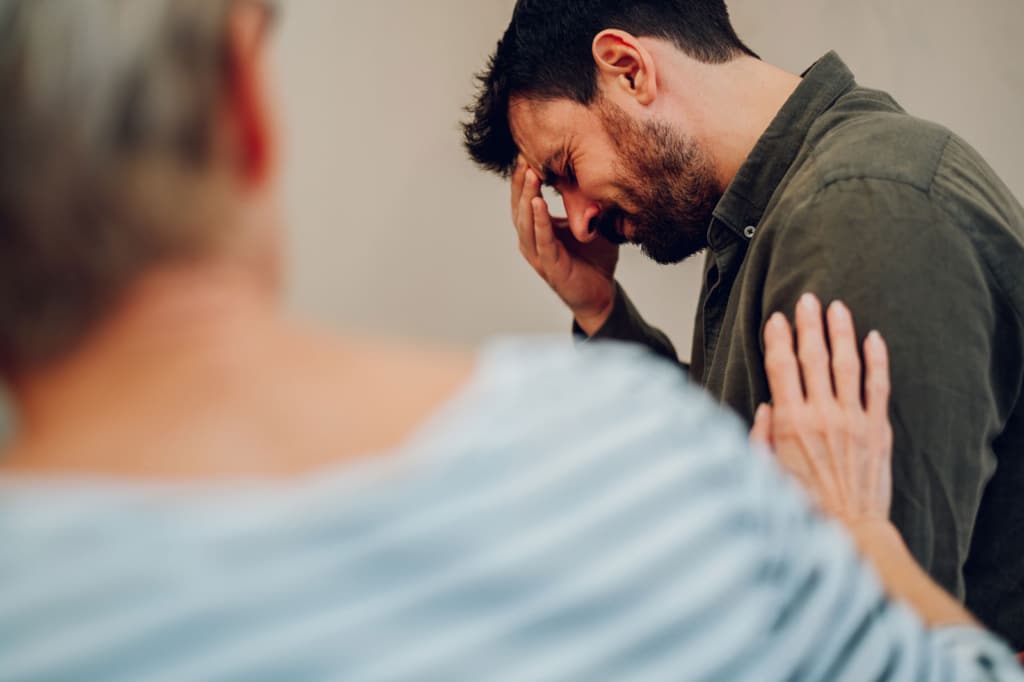
Drinking does not mean you have low self-esteem. But for someone whose life is being shaped by alcohol, getting sober can be transformative. Breaking a habit that everyone around you treats as normal is genuinely hard, and doing it shows you a strength you may not have known you had. Along the way, people tend to clarify their values, build healthier coping skills, and gain a greater sense of control and purpose over the direction of their lives.
The Financial Reasons
What You Spend on Drinking
Even if you never overindulge, alcohol is expensive, and the cost compounds quietly over a year. Beyond the drinks themselves, there is the spending that happens because of them: the same lowered inhibitions that lead to social missteps also make shopping, gambling, and dining out feel more tempting and less consequential in the moment. For anyone on a budget, the money saved by cutting back is real and often surprising.
Productivity and Your Career
Alcohol can quietly erode your professional life. Missed mornings after a heavy night, a careless comment at a work event, or the slow drag of low energy and poor focus all take a toll over time. Free of hangovers and the fog that follows them, most people find their energy and work performance climb.
Weight and Physical Appearance
Alcohol carries 7 calories per gram, nearly as much as pure fat, and those are empty calories with no nutritional value. It is easy to drink a meal’s worth of calories without noticing, and drinking often goes hand in hand with poorer food choices, both in the moment and through fatigue-driven eating the next day. Alcohol can also affect blood sugar regulation and contribute to insulin resistance over time.
Cutting back reduces excess calorie intake and supports a healthier metabolism. It also dehydrates the skin less, which is why people who quit frequently notice clearer skin and a fresher appearance within a few weeks. For many people, removing alcohol is one of the simplest single changes they can make to manage their weight and feel better in their own body.
Addiction: The Most Important Reason of All
Physical dependence is the most serious reason to stop. Alcohol use disorder develops when the body adapts to alcohol and comes to need it to function normally. The earlier you address your drinking, the easier and safer change tends to be. Quitting before a dependency takes hold is far simpler than recovering from one, although recovery is absolutely possible at any stage with the right help.
If you already drink heavily or daily, please read the next section carefully.

How to Quit Safely
This is the part too many articles skip, and it matters most.
If you are physically dependent on alcohol, stopping abruptly on your own can be dangerous. Withdrawal symptoms can begin within hours of your last drink, and the risk of seizures rises in the first day or two. The most severe form of withdrawal, delirium tremens, can develop a few days in and is a medical emergency that can be fatal if untreated. Crucially, withdrawal is unpredictable: serious complications can occur even in people whose earlier symptoms seemed mild, and even in those who have never had a problem before.
For these reasons, anyone who drinks heavily, drinks daily, or has experienced withdrawal symptoms in the past should not detox at home. Medically supervised detox, where trained staff monitor your vital signs and can use medication to keep withdrawal safe, dramatically lowers the risk. If this describes you, talk to a doctor or a treatment provider before you stop. If you or someone else is showing signs of severe withdrawal such as confusion, hallucinations, fever, or a seizure, call 911 immediately.
If you are a lighter or occasional drinker, you have more flexibility, and many people in this group reduce or stop without medical treatment. Even so, it helps to work with a therapist who can help you understand what drives your drinking. Therapy can surface the triggers and habits underneath the behavior and help you build healthier ways to cope, so that the change actually lasts.
To Quit or to Cut Back?
Plenty of people drink without serious consequences, and only you can decide which group you fall into. A family history of alcoholism raises the odds that any drinking will cause problems. But you do not need a family history or a diagnosis to be someone who would simply feel better without alcohol. The honest test is straightforward: is drinking making your life better or worse? If the answer is worse, you already know what to do.
Whatever you decide, you are not alone in it. Support is available, and reaching out is a sign of strength, not weakness. Consider the reasons above, be honest with yourself, and take the first step toward a healthier life today.
If you are struggling with alcohol, confidential help is available. Call our 24/7 helpline, or contact SAMHSA’s free National Helpline at 1-800-662-HELP (4357).
Frequently Asked Questions
Is it dangerous to stop drinking suddenly?
How quickly will I notice benefits after quitting?
Does quitting alcohol help with weight management?
Is there any truly safe level of drinking?
Will alcohol actually help me sleep?